

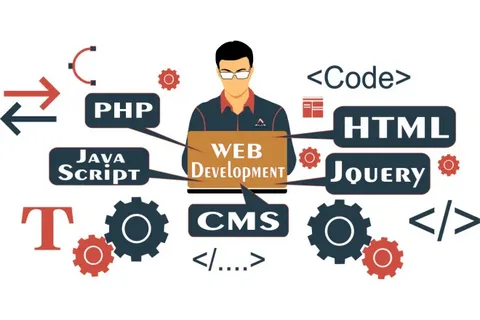
A website redesign is a big step toward revitalizing your online presence and improving user experience. Whether you’re looking to update your branding, improve functionality, or simply refresh your website’s design, a well-executed redesign can bring new life to your business and help you achieve your digital marketing goals. However, a successful redesign isn’t just about aesthetics—it’s about ensuring the project aligns with your overall business strategy and brings tangible results. Here are key strategies to help you get the most out of your website redesign project.
- Define Clear Objectives
Before diving into the design process, it’s crucial to define clear goals for your website redesign. Are you aiming to improve user engagement? Increase conversion rates? Strengthen your brand identity? By setting measurable objectives, you can ensure that the redesign aligns with your business needs.
Ask yourself:
- What problems does my current website have?
- Who are my target audiences, and how do they navigate the site?
- What actions do I want visitors to take on the website (e.g., fill out a form, make a purchase, subscribe to a newsletter)?
For example, if your current website is difficult to navigate or lacks a clear call to action, your goal might be to create a more user-friendly experience with clearly defined conversion paths. This will give your redesign project direction and ensure that your team stays focused on delivering results.
- Prioritize User Experience (UX)
User experience (UX) should be at the heart of any website redesign. A website with poor UX can frustrate visitors, causing them to leave before they even have a chance to explore your content or services.
Focus on the following areas to enhance UX:
- Intuitive navigation: Make sure your website’s structure is easy to follow. Use clear menus, a consistent layout, and logical categorization of information.
- Mobile optimization: More than half of internet traffic comes from mobile devices, so ensure your website is fully responsive and offers a seamless experience across all screen sizes.
- Fast load times: Slow websites lead to high bounce rates. Compress images, minify code, and use caching techniques to ensure fast loading speeds.
You can assess the current user experience through website analytics, user testing, and feedback from existing customers. Understanding what works and what needs improvement will provide valuable insights as you move forward with the redesign.
- Maintain a Strong Brand Identity
Your website is often the first point of contact potential customers have with your business. Make sure that your new website design reflects your brand’s identity. This includes your logo, color scheme, fonts, and overall tone. Consistency across your website will help build trust and reinforce your brand’s message.
Incorporate these elements:
- Logo: Ensure your logo is prominently displayed, preferably in the top left corner, where users instinctively expect it to be.
- Brand colors: Use your brand’s color palette throughout the design to create a cohesive and recognizable look.
- Tone and voice: Keep the content aligned with your brand’s voice. Whether it’s formal, friendly, or professional, consistency in tone ensures your visitors feel at home.
At Logo Geez, we specialize in creating unique and impactful brand identities, from logos to full website designs. Visit www.logogeez.com to learn more about how we can help you build a website that stands out.
- Focus on Content Strategy
A website redesign offers a great opportunity to revamp your content strategy. Whether you’re adding a blog, improving your product descriptions, or updating service pages, quality content is essential for driving traffic and engaging visitors.
Consider the following content-focused strategies:
- SEO-friendly content: Incorporate keywords relevant to your industry and target audience. By optimizing your website content for search engines, you increase your chances of ranking higher and attracting organic traffic.
- Call-to-action (CTA): Strategically place CTAs throughout your site to guide visitors toward conversion points. Use clear, action-oriented language that tells users what to do next.
- Visual content: Use high-quality images, videos, and infographics to make your content more engaging. Visual content is not only attractive but also helps to explain complex topics more easily.
Don’t forget that your content should always be valuable to your target audience. Regularly updating your website with fresh, relevant content will not only improve user engagement but also boost your search engine rankings over time.
- Implement an SEO Strategy
SEO (Search Engine Optimization) is crucial for ensuring that your website redesign attracts organic traffic. Without proper SEO implementation, even the most beautifully designed website can go unnoticed.
Here are some key SEO best practices to implement during your website redesign:
- Mobile-first indexing: Since search engines like Google prioritize mobile-friendly websites, ensure your redesign is fully responsive and optimized for mobile devices.
- Internal linking: Use internal links to guide users through your website and help search engines crawl your content more effectively.
- Meta tags and descriptions: Update your meta tags, title tags, and descriptions for all pages to include relevant keywords and encourage clicks from search results.
At Logo Geez, we understand the importance of SEO and can help you optimize your site to improve your rankings. Reach out at (917) 818-3450 for personalized SEO strategies.
- Keep the User Journey in Mind
The user journey refers to the steps a visitor takes from landing on your website to completing a desired action, such as making a purchase or filling out a contact form. A seamless user journey is essential for increasing conversion rates.
Make sure your website redesign:
- Guides users effectively: Each page should lead visitors through a logical flow toward conversion. For example, your homepage should quickly direct users to the most important content.
- Minimizes distractions: Keep your design simple and free from unnecessary elements that may detract from the main action you want users to take.
Using tools like heatmaps and user recordings can help you understand how visitors interact with your site, allowing you to optimize the design to reduce friction and increase conversions.
- Test, Test, Test
Before officially launching your redesigned website, conduct thorough testing to ensure everything is functioning as expected. Testing allows you to identify issues such as broken links, page load errors, or design inconsistencies.
Test these aspects:
- Functionality: Test forms, buttons, and other interactive elements to make sure they work properly.
- Compatibility: Ensure your website works across different browsers (Chrome, Firefox, Safari, etc.) and devices (desktop, mobile, tablet).
- Performance: Run performance tests to check loading times and identify any bottlenecks.
User testing, in which you observe real people navigating your site, can also provide valuable insights into areas that need improvement.
- Set Up Analytics and Tracking
Once your website redesign is complete, set up analytics tools such as Google Analytics to track user behavior and measure your success. By monitoring metrics such as bounce rate, time on site, and conversion rate, you can evaluate the performance of your new design and make data-driven improvements.
Regularly review the data to see if your redesign is meeting your goals. If certain pages aren’t performing well, use A/B testing to test different variations and determine what works best for your audience.
- Keep Evolving
Website redesigns are not a one-time task—they should be part of an ongoing process of improvement. As you receive feedback from users and track your analytics, look for areas where you can continue to evolve your website. Regular updates ensure your site remains relevant, functional, and engaging.
Consider setting a schedule for routine maintenance, whether it’s monthly, quarterly, or annually, to ensure your website stays in top shape and meets the changing needs of your business.
Conclusion
A website redesign can be a transformative project that sets your business up for future success. By setting clear objectives, prioritizing user experience, maintaining strong branding, and implementing an effective SEO strategy, you can ensure your redesign brings measurable results. At Logo Geez, we specialize in creating websites that not only look great but also drive traffic and conversions. Contact us at (917) 818-3450 to discuss how we can help you get the most out of your website redesign project.
Start your redesign journey today and see your business flourish online!