

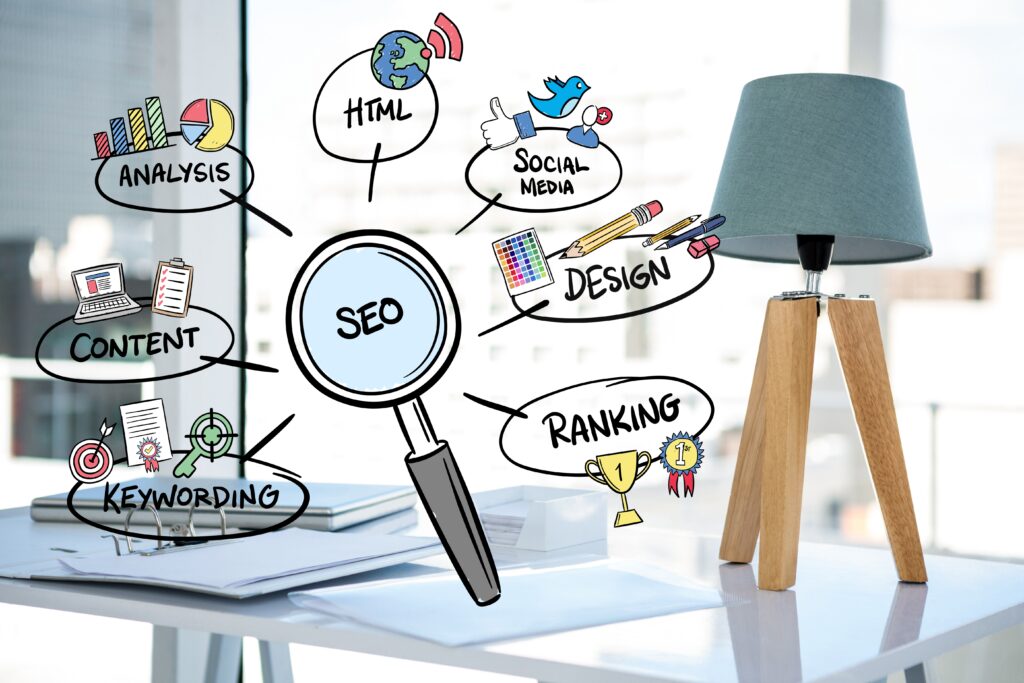
In the world of digital marketing, one of the key factors driving success is your website’s search engine ranking. Businesses that appear in the top search results on platforms like Google, Bing, and Yahoo get the most traffic, which can lead to increased sales and higher conversion rates. While many business owners focus on content and keyword strategies, one often-overlooked factor that significantly impacts search rankings is web design. In this blog post, we’ll explore how your web design can influence your search engine ranking and what steps you can take to improve your site’s visibility.
- User Experience (UX) and Search Engine Rankings
User experience (UX) refers to how visitors interact with your website. Search engines like Google value websites that offer a seamless, intuitive experience for users. A well-designed website improves usability, ensuring that visitors can easily navigate, find relevant content, and interact with elements like contact forms or shopping carts.
Websites with poor UX design can increase bounce rates (the percentage of visitors who leave after viewing only one page) and reduce time spent on the site. Both of these factors signal to search engines that your site may not be providing value, leading to a drop in rankings.
To enhance UX, focus on:
- Simple Navigation: Ensure users can easily find what they’re looking for.
- Fast Load Times: Users prefer fast websites. A delay in load time can frustrate visitors and cause them to leave.
- Mobile Responsiveness: A responsive design ensures that your website looks good and functions well on all devices, which is crucial given the increasing use of smartphones to browse the web.
- Mobile Optimization and SEO
With over 60% of global web traffic coming from mobile devices, mobile optimization is more important than ever. Google uses mobile-first indexing, meaning it evaluates the mobile version of your website for ranking purposes first, before considering the desktop version. If your website isn’t optimized for mobile devices, it will likely suffer in rankings.
To ensure mobile optimization:
- Responsive Design: Implement a responsive web design that adapts to different screen sizes.
- Touch-Friendly Features: Ensure buttons and links are easy to click on mobile devices.
- Quick Load Times: Mobile users tend to have slower internet speeds, so your website must load quickly on mobile devices to improve rankings.
- Website Speed and Performance
Website speed has been a ranking factor for years. If your website is slow to load, users are more likely to leave, which negatively impacts your bounce rate and overall engagement. Search engines like Google prioritize fast-loading websites because they provide a better user experience.
To optimize your website’s speed:
- Image Optimization: Compress images without sacrificing quality.
- Minimize HTTP Requests: Limit the number of elements that load on each page.
- Leverage Browser Caching: Enable browser caching to speed up repeated visits to your site.
- Clean and Efficient Code
Search engines read the code of your website to understand its content and structure. Websites that have messy, inefficient code can confuse search engines, resulting in poor rankings. Clean, well-organized code is easier for search engines to crawl, index, and understand.
To improve code quality:
- Minify CSS, JavaScript, and HTML Files: Reduce the size of your code files to speed up loading times.
- Proper Tagging: Use proper HTML tags for headings, paragraphs, and images. For example, use <h1> tags for titles and <alt> tags for images.
- Structured Data and Rich Snippets
Structured data (or schema markup) is a way of organizing your content in a format that search engines can easily read. By using structured data, you can help search engines understand the context of your content and provide more accurate search results. This can result in rich snippets—additional information displayed in search results like ratings, prices, and event details.
Incorporate schema markup by:
- Adding Local Business Schema: Helps search engines understand your business location and contact information.
- Using Article Schema: Helps search engines recognize your content as an article or blog post.
- Implementing Product Schema: Provides search engines with product information, such as price and availability.
- Content Hierarchy and Keyword Integration
Web design also affects how content is structured and displayed. A well-organized website allows search engines to understand the hierarchy of your content, which plays a crucial role in SEO.
Use a clean, logical structure with:
- Headings: Use proper heading tags (H1, H2, H3) to organize your content and make it easier for search engines to crawl.
- Keyword Integration: Place your target keywords strategically in headings, meta descriptions, and body content. Ensure that the content remains natural and relevant.
- Internal Linking and SEO
Internal linking refers to linking between pages on your own website. This strategy helps search engines understand the relationship between different pieces of content, which can improve rankings for individual pages. A good internal linking structure also improves website navigation and encourages users to visit more pages.
To improve internal linking:
- Link to Relevant Pages: Link to related articles, product pages, or services that can keep users engaged.
- Use Descriptive Anchor Text: Use anchor text that clearly describes the linked content, which can help search engines understand the context.
- Secure and HTTPS Websites
Security is a ranking factor for Google. Websites with HTTPS encryption are more likely to rank higher than those without it. HTTPS ensures that data transmitted between the user and your website is secure, providing trust and credibility.
To secure your site:
- Install an SSL Certificate: An SSL certificate encrypts the data between your website and your visitors, ensuring secure transactions and communications.
Conclusion
Web design plays a crucial role in determining how well your website performs in search engine rankings. From user experience and mobile optimization to page speed and clean code, each aspect of web design impacts SEO. To improve your search engine ranking and visibility, invest in a website design that focuses on both functionality and SEO best practices.
If you’re looking to boost your website’s search engine rankings and improve your user experience, consider reaching out to the experts at Logo Geez. Our team of web design professionals is committed to helping businesses achieve top rankings and attract more traffic.
For more information, feel free to contact us at (917) 818-3450. We’re here to help you succeed!