A graphic design project is often a mix of creativity, strategy, and technical execution, and understanding how long it takes can help clients and designers align expectations. At Logo Geez, we often get asked about project timelines, so this guide will break down the key stages of a design project, factors that influence timing, and realistic expectations for completion.
Every graphic design project begins with discovery and planning. This phase involves understanding the client’s needs, brand identity, target audience, and project scope. For example, designing a logo for a startup requires deep insight into the business values, competitive landscape, and style preferences. Discovery can take anywhere from a few hours to several days, depending on the clarity of the client’s vision and the complexity of the project.
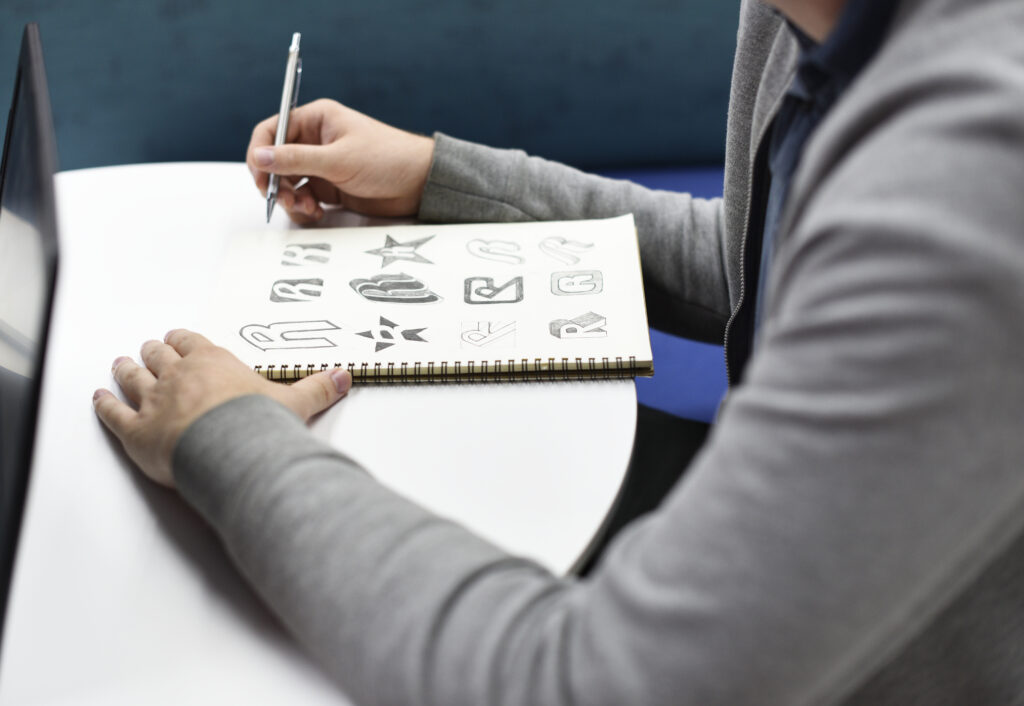
Once the planning is complete, designers move into the concept development stage. This is where creativity starts to take shape. Designers sketch initial ideas, explore color schemes, typography, and iconography. At Logo Geez, we usually present clients with 3 to 5 initial concepts. This stage can take 2 to 5 business days for a logo project and longer for complex projects like website graphics or full branding packages.
Client feedback is crucial at this stage. Reviewing concepts, providing constructive criticism, and selecting a preferred direction are iterative processes. The speed at which clients provide feedback significantly affects the timeline. Prompt feedback can keep a project on track, whereas delayed responses can extend timelines by several days or weeks.
After the direction is chosen, the designer refines the selected concept. This involves polishing details, adjusting layouts, optimizing typography, and ensuring visual balance. For a logo, this refinement might take 2 to 3 business days. Larger projects, such as brochures or social media campaigns, can require a week or more for detailed adjustments. Iteration cycles depend on how many revisions the client requests. At Logo Geez, we offer unlimited revisions until the final approval, but each round naturally adds to the total project duration.
Another factor influencing project length is the type of deliverables. A simple social media graphic may only take a few hours, while a complete brand identity package, including logos, business cards, and digital assets, can span several weeks. If animations or interactive media are involved, development time increases because it requires technical execution in addition to design.
Communication and approvals play a role in timing as well. A clear, organized process with set milestones can accelerate completion. At Logo Geez, we recommend setting weekly check-ins and using project management tools to track tasks, which keeps clients informed and minimizes delays.
Technical considerations also impact the timeline. High-resolution output, various file formats, and compatibility checks across platforms are essential. For example, logos need to be provided in vector formats like AI or SVG for scalability. Preparing these files, testing them across different media, and ensuring color consistency can add a day or two.
External factors, like collaboration with copywriters, marketers, or web developers, can influence timing. Integrated campaigns that combine visual design with content strategy require careful coordination. At Logo Geez, we plan buffer periods to accommodate these dependencies, ensuring the final output is cohesive and meets all requirements.
To summarize, a simple logo project typically takes 5 to 10 business days from discovery to final delivery. A full branding package or multi-platform campaign may extend to 3 to 6 weeks or more. Complex projects, such as website redesigns or app interfaces, can take several months, depending on the number of screens, interactive elements, and client approvals. Transparent communication and realistic expectations are key to maintaining project momentum and satisfaction.
Clients often ask whether rushing a project affects quality. While faster delivery is possible, high-quality design requires thoughtful iteration, attention to detail, and strategic alignment with the brand. At Logo Geez, we prioritize quality and effectiveness over speed, ensuring every deliverable is polished, functional, and visually compelling.
For businesses planning their projects, it helps to set clear timelines with designers and allocate sufficient time for revisions and approvals. Understanding each phase, from discovery to delivery, enables clients to anticipate how long the project will take and plan launches, campaigns, or marketing efforts accordingly.
If you’re considering starting a graphic design project, reach out to Logo Geez at (917) 818-3450. We provide guidance on realistic timelines, help define project scope, and ensure that every stage of the design process is transparent and efficient. Knowing what to expect in terms of timing helps you manage your business objectives while receiving professional, high-quality design services.
By considering the factors outlined—project complexity, type of deliverables, client feedback speed, technical requirements, and collaborative dependencies—you can set realistic expectations and achieve successful outcomes. Remember that every project is unique, and timelines may vary, but clear communication and structured workflows will always lead to smoother, timely delivery.
For more information, examples of past projects, or to start your design journey, visit Logo Geez at www.logogeez.com or call (917) 818-3450. Understanding how long a graphic design project takes ensures you stay on schedule, avoid surprises, and receive work that truly elevates your brand identity.
This guide outlines what influences project timelines, provides benchmarks for different project types, and emphasizes the importance of collaboration, quality, and planning. By setting realistic expectations and partnering with experienced designers, you can navigate the design process confidently and achieve results that resonate with your audience while maintaining efficiency and professionalism.